
Spring thaw and heavy rain: preparing your basement in Trumbull County
By Elena Okafor · Updated 2026-10-03
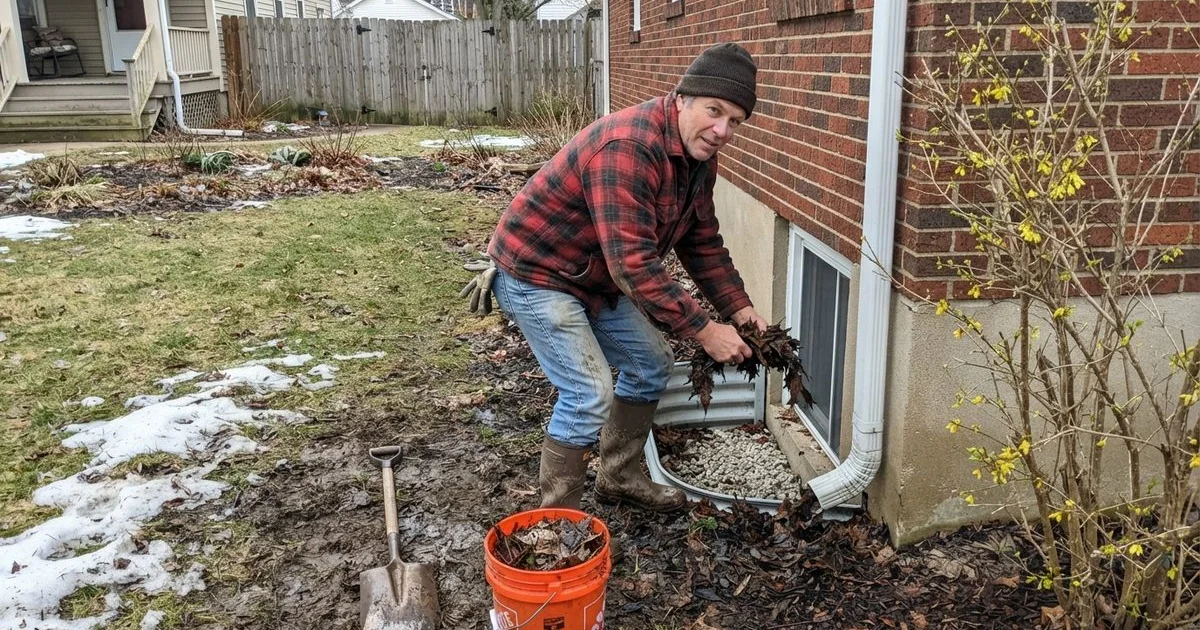
In Trumbull County, the worst basement weeks often arrive when frozen ground meets snowmelt or a long spring rain. Water has nowhere to soak in, so it heads for the foundation. A short checklist in the fall and again in late winter helps you catch trouble before it comes in.
The reviews and review insights on this site reflect individual people’s experiences. Nothing here constitutes medical advice, so please consult a qualified health practitioner about your own situation. This is general information. Treat flooded basements with electrical caution.
A seasonal checklist
| When | Task |
|---|---|
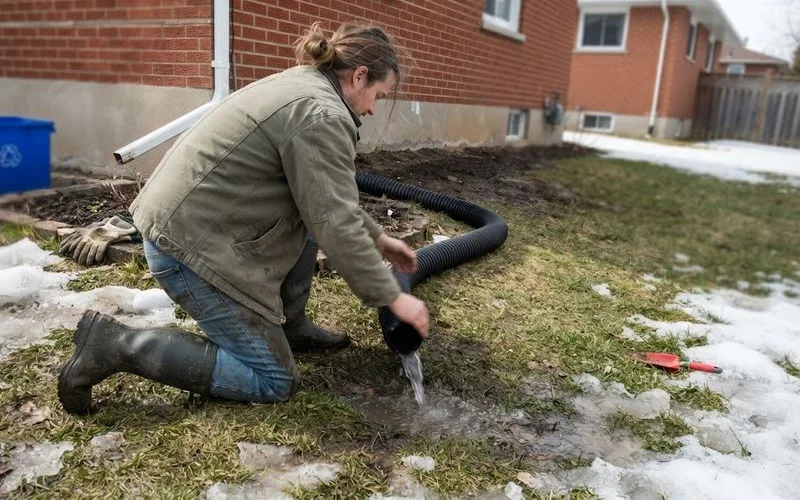
| Late fall | Clear gutters and downspouts; extend discharge away from the house |
| Late fall | Look for gaps in grading and fill low spots |
| Late fall | Check window well drains and covers |
| Late winter | Pull snow away from foundation walls where practical |
| Late winter | Test the sump pump and its discharge line |
| Before storms | Make sure the discharge line is not frozen or blocked |
| After storms | Look at walls and floor joints for new dampness |
| Any time | Note crack width and location; photograph changes |
Why the thaw is hard on foundations
Water in the soil freezes, expands and thaws, repeatedly. Clay soils hold moisture, so saturated ground presses on basement walls. That combination can widen cracks and highlight weak joints. In this context a small seep in March is information, and it tells you where the water enters.
Sump pump readiness
A sump basin collects water; the pump sends it outside. Check that the pump sits level, the float moves freely and the discharge does not freeze shut or empty near the foundation. Outages often come with storms, so ask about battery backup. Replacement and installation work are covered by a service page on this site, so here we stick to preparation.
If water comes in anyway
- Stay safe. Keep out of water near outlets, appliances or the electrical panel.
- Stop the source if you can: clear a blocked drain or downspout.
- Move belongings to higher ground.
- Photograph the water level and damage for your records.
- Contact your insurer if you think a claim may apply, and ask what they need.
- Dry the space promptly. Damp materials left in place invite mold, and if anyone has health concerns, a health professional can advise on your situation.
What reviewers say about response
Reviews on this site describe both good and bad experiences with timing: companies praised for clear communication, and others criticized for missed visits or slow call-backs. Local companies also tend to book up fast in wet seasons. Call early, ask for the estimate date in writing, and have your photos ready.
Fall checks that take an afternoon
Walk the outside of the house during a rain if you can. Watch where roof water lands, where it flows, and where it collects. Gutters that overflow at corners, downspouts that dump against the wall and soil that has settled into a dip along the foundation are all visible in the rain and easy to miss on a dry day. Mark problem spots with flags or photos so you can fix them once the rain stops.
Inside, look behind stored items against exterior walls. Moisture hides behind boxes, and a quick check each season catches it early. Lift stored items off the floor onto shelves or pallets as a habit.
Plan for the next season
If water showed up this year, write down where, when and how much, so a contractor can see the pattern. Then compare written estimates before the next melt arrives.
For local help, browse the directory home page and read our rubric to see how listings are scored. If you plan to sell, the guide on selling a house with a wet basement covers disclosure.
Questions people ask
- When should I prepare my basement for spring?
- Late fall and again in late winter are good times to clear gutters, test the sump and check grading, before frozen ground and melt arrive.
- How do I test a sump pump?
- Pour a few buckets of water into the basin and watch that the float rises, the pump runs, and water leaves through the discharge. If anything is off, get it serviced.
- What should I do if my basement floods?
- Stay out if water is near electrical outlets or the panel, shut off power only if you can do so safely, and call a professional or your utility. Do not wade through standing water near live wiring.
- Can I call a company for emergency water removal?
- Yes, and there are services for that. Ask about response times and scope before agreeing.